
Anchor on the Pine Side
Cliff Routes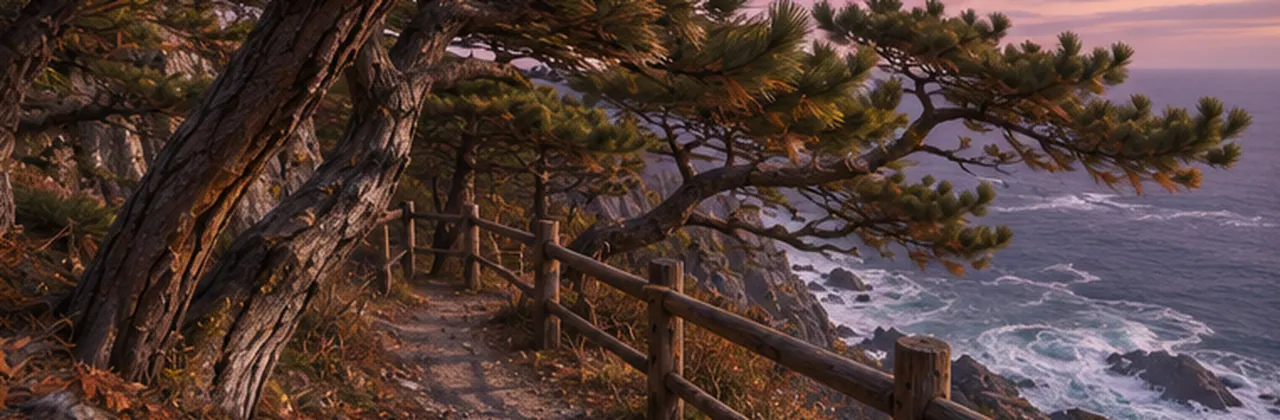
Start under the pines rather than at the edge
The ranger begins on the inner side of the path below an old tree. The branch moves far enough to go out of the view, then returns over a wide part of the rail. The first opening beyond it looks like a turn in the track. Find where the broad post interrupts the rail before following that direction. A small shadow near the base tells you which side of it remains visible after the branch moves away.
Compare two positions before going ahead
The closer view shows the rough grain of the post beside the narrow stretch. A view from farther back gives you the line of two pines and the corner of the track. Move slowly between these views and find which rail segment keeps its angle. That steady part provides a way to decide where the path goes after the upper branches move into the field of view again.
Mark a place near the inside shoulder
The ranger can register a visible position on the prototype’s map. That leaves a short line later when the wide view of the headland becomes hard to recognize. A Bough in the Strong Wind explains why the low rail stays visible inside a larger moving shape. The marker gives you a reason to check that detail a second time. Return before the first turn if the other post becomes hidden behind the tree.
Let the boat keep a distant scale
A boat visible between the pines sits far beyond the part of the route that opens next. A gust can hide it until the needles lift. The sound from the surf briefly seems close to the path. The Surf Sounds Closer studies a view where that sound is easier to understand next to the far coastline. Use the boat as a longer reference if the close path seems to move along with the branch overhead.
Finish by linking two parts of the trail
The first stretch of rail ends near a broad rock. The prototype lets you look for the next supported part of the trail from a position just inside that place. It does not ask the player to change real equipment. The route on the map can be completed when the ranger has placed two fixed marks and waited for a view of the next stretch. One earlier view remains in the record for comparison.
Draw changing light in layers
Amber bark and a line of faded blue shadow give the near pines a solid outline. Their needles reach into a cooler sky beyond the cliff. The path is rough and warm while the water looks almost flat from this height. A thinner line of foam shows where the rocks are, close to the other end of the sound. These differences help place one moving branch without losing track of the cliff itself.
Prototype goal for a short patrol
The game is an original concept testing one shift between the side of a tree and a fixed spot under the rail. Cliff Routes gives a broad image and a close cover to compare. We want a player to make a good guess from the first view and then use another observation to justify the turn. Future cases may put those two views at different heights in the same short reach.